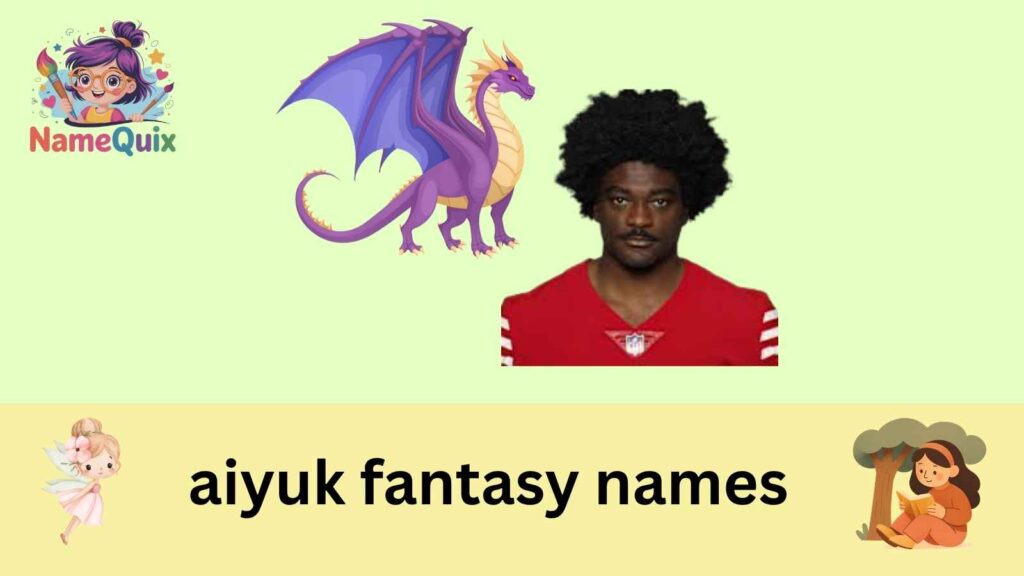
Aiyuk fantasy names have become a rising trend among sports fans, fantasy league players, and gaming communities who want unique, personality-driven identities.
The keyword is strongly connected to creativity around American football culture, especially inspired by star wide receiver Brandon Aiyuk, known for his explosive plays and highlight-worthy performances with the San Francisco 49ers.
In modern fantasy sports and online identity culture, users no longer want generic names. They want names that reflect energy, attitude, humor, and team loyalty. That is exactly where Aiyuk fantasy names come in. These names are often used in fantasy football leagues, gaming profiles, Reddit communities, and even social media branding.
This article is designed to help you understand, generate, and optimize Aiyuk-inspired fantasy names for maximum creativity and uniqueness.
Whether you are building a fantasy football team, naming a gaming squad, or creating a bold online identity, you will discover structured strategies, examples, and naming psychology that make your choice stand out.
Instant Answer Block (Snippet Ready)
Aiyuk fantasy names are creative team or username ideas inspired by NFL star Brandon Aiyuk and football culture. They blend humor, wordplay, and sports identity to create unique fantasy football team names, gaming tags, or online personas that reflect speed, skill, and competitive energy.
What Are Aiyuk Fantasy Names?
Aiyuk fantasy names refer to customized naming ideas built around the personality, playing style, and cultural impact of Brandon Aiyuk. These names are commonly used in fantasy football leagues where players compete using real NFL athletes, but they also extend into gaming usernames and fan communities.
At their core, these names are a fusion of three elements:
- Player identity (Aiyuk’s name and reputation)
- Football performance traits (speed, agility, route running)
- Creative wordplay (puns, humor, cultural references)
For example, a fantasy football team owner might choose a name like:
- “Aiyuk & Destroy”
- “Catch Me If Aiyuk Can”
- “Straight Outta Aiyuk”
These names work because they are emotionally engaging and instantly recognizable among NFL fans. Instead of a plain name like “Team Johnson,” users prefer names that carry personality and storytelling value.
In fantasy sports psychology, a strong team name can even enhance engagement. It creates identity attachment, which makes wins feel more rewarding and losses more personal. That emotional connection is one of the reasons Aiyuk fantasy names are trending across platforms.
Why Brandon Aiyuk Inspires Fantasy Naming Culture
The rise of Aiyuk-inspired fantasy names is directly tied to the growing popularity of Brandon Aiyuk in the NFL. His playing style combines speed, precision, and explosive yard-after-catch ability, making him a favorite among fantasy football managers.
Several factors contribute to his naming influence:
1. Highlight-Driven Playing Style
Aiyuk is known for making big plays that often appear on highlight reels. This makes his name naturally fit into dramatic and energetic fantasy naming patterns.
2. Strong Fantasy Football Value
In fantasy leagues, Aiyuk has become a reliable wide receiver option. Players who draft him often want to reflect their investment in their team name.
3. Cultural Fit in Meme Economy
Modern sports culture thrives on memes and wordplay. Aiyuk’s name is phonetically flexible, making it ideal for puns and creative twists.
4. Association with a Winning Franchise
Playing for the San Francisco 49ers adds credibility. Teams with strong reputations naturally generate more fantasy branding ideas.
5. Social Media Amplification
Clips, highlights, and fantasy league discussions on platforms like X (Twitter), Reddit, and TikTok help amplify naming trends. Once a name format goes viral, it spreads quickly across fantasy communities.
Together, these elements turn Brandon Aiyuk into more than just a player—he becomes a naming inspiration source.
Types of Aiyuk Fantasy Names
Aiyuk fantasy names are not limited to one format. They exist in multiple categories depending on how users want to express creativity. Understanding these types helps you build better and more intentional names.
1. Pun-Based Fantasy Names
These are the most popular type because they mix humor with recognition. They usually modify “Aiyuk” into a phrase that sounds familiar or comedic.
Examples:
- “Aiyuk and You Shall Receive”
- “Aiyuk What You Did There”
- “Aiyuk It Like That”
Pun-based names perform well because they are easy to remember and often spark conversation in fantasy leagues.
2. Power & Dominance Names
These names focus on strength, aggression, and winning mentality. They are designed for users who want a competitive identity.
Examples:
- “Aiyuk the Game”
- “Aiyuk Nation”
- “Aiyuk Mode Activated”
These names often appeal to serious fantasy players who want psychological intimidation value.
3. Pop Culture Fusion Names
This category blends Aiyuk with movies, songs, or internet culture references.
Examples:
- “Aiyuk Skywalker”
- “Fast & Aiyukious”
- “Aiyuk Ragnarok”
Pop culture names are especially effective because they expand meaning beyond sports into entertainment identity.
4. Luxury & Premium Branding Names
Some users prefer a more elite identity style. These names sound sophisticated and high-value.
Examples:
- “House of Aiyuk”
- “Aiyuk Elite Club”
- “The Aiyuk Dynasty”
These names are often used in paid fantasy leagues or competitive gaming groups.
5. Meme-Style Viral Names
Meme culture plays a huge role in modern naming trends. These names are intentionally funny or absurd.
Examples:
- “Aiyuk My Life”
- “Aiyuked Up Team”
- “No Aiyuk Given”
These names spread quickly in group chats and online fantasy communities due to their humor value.
Psychology Behind Aiyuk Fantasy Names
Understanding why these names work requires a look at user psychology. Fantasy naming is not random—it reflects identity expression.
Identity Projection
Users project confidence, humor, or aggression through their team names. A strong name like “Aiyuk Mode Activated” signals competitiveness before the game even starts.
Social Recognition
In fantasy leagues, names are visible to all participants. A clever name increases social recognition and engagement.
Emotional Attachment
The more creative the name, the stronger the emotional connection to the team. This leads to higher engagement throughout the season.
Cognitive Recall
Short, rhythmic, and pun-based names are easier to remember, making them more effective in group settings.
Aiyuk Fantasy Names Guide 2026
Advanced Aiyuk Naming Formulas
Creating strong Aiyuk fantasy names is not just about jokes or random wordplay. The best names follow repeatable naming formulas that balance identity, rhythm, and cultural meaning. These formulas help you generate original names that still feel familiar and memorable.
Formula 1: Player Name + Action Phrase
This is the simplest but most effective structure.
Structure:
Aiyuk + Verb/Action + Emotion
Examples:
- Aiyuk Takes Flight
- Aiyuk Strikes Again
- Aiyuk Runs the Game
This formula works because it mirrors sports commentary language, making it feel natural and powerful.
Formula 2: Pun + Football Concept
This structure combines humor with sport-specific terminology.
Structure:
Pun on “Aiyuk” + football action or term
Examples:
- Aiyuk and Destroy (play on “seek and destroy”)
- Catch Me If Aiyuk Can
- Aiyuk It to the House
This is one of the most viral formats because it blends comedy and recognition.
Formula 3: Brand Identity Style Names
These feel like team franchises rather than casual names.
Structure:
The + Aiyuk + Identity word
Examples:
- The Aiyuk Empire
- The Aiyuk Syndicate
- The House of Aiyuk
This structure is popular in competitive fantasy leagues where branding matters.
Formula 4: Cultural Mashup Formula
This combines Aiyuk with movies, music, or global culture references.
Examples:
- Aiyuk Wars
- Game of Aiyuk
- Aiyuk Begins
This works because familiar titles create instant recognition and emotional connection.
Viral Naming Templates for Fantasy Leagues
Fantasy football naming trends often go viral when they follow predictable yet flexible templates. These templates allow users to generate endless variations.
Template 1: “Aiyuk + Wordplay Ending”
- Aiyuk n’ Chill
- Aiyuk My Day
- Aiyuk You Serious
*Template 2: “Question-Based Humor”
- Did Aiyuk Do That?
- Where’s Aiyuk At?
- Who Let Aiyuk Cook?
Template 3: “Confidence Statements”
- Aiyuk Don’t Lose
- Aiyuk Runs This League
- Aiyuk Built Different
These templates are powerful because they are reusable across seasons and adapt easily to new players or trends.
Hidden Semantic Strategies for Unique Names
Most users create similar names because they rely on obvious puns. To stand out, you need deeper semantic variation.
1. Synonym Replacement Strategy
Instead of repeating “Aiyuk” structures, modify surrounding words:
- Replace “run” → “sprint, dash, fly”
- Replace “catch” → “grab, snatch, secure”
Example:
- Aiyuk Snatches Wins
- Aiyuk Dashes Through Defense
2. Phonetic Emphasis Strategy
This focuses on how names sound when spoken aloud.
Examples:
- Aiyuk Attack
- Aiyuk Effect
- Aiyuk Express
These names feel powerful when announced in fantasy league chats.
3. Emotional Tone Strategy
Different emotional tones create different identity effects:
- Aggressive: Aiyuk Dominates
- Funny: Aiyuk My Bad
- Elite: Aiyuk Supreme
- Chaotic: Aiyuk Unleashed
Real Fantasy League Naming Examples
Across fantasy football platforms, naming patterns often repeat in interesting ways. Here are real-style examples inspired by community behavior:
- “Aiyuk’d and Loaded”
- “Straight Outta Aiyuk”
- “Aiyuk & Let It Fly”
- “Fear the Aiyuk”
- “Born to Aiyuk”
These names work because they combine familiarity with originality. They also fit naturally into league standings and group chat discussions.
Common Mistakes in Aiyuk Fantasy Names
Even though naming seems simple, many users make avoidable mistakes that reduce impact.
Mistake 1: Overcomplication
Long names with too many words become hard to remember.
- Bad: “The Ultimate Legendary Aiyuk Football Dynasty Warriors”
- Good: “Aiyuk Dynasty”
Mistake 2: Weak Wordplay
If the pun is forced, it loses impact.
- Weak: “Aiyuk Football Team 123”
- Strong: “Aiyuk & Destroy”
Mistake 3: Copying Popular Names
Many users reuse viral names without variation. This reduces uniqueness in competitive leagues.
Mistake 4: Ignoring Tone Consistency
Mixing serious and funny tones in one name confuses identity.
- Inconsistent: “Serious Aiyuk LOL Squad”
- Better: Stick to one tone style
Why Aiyuk Names Spread So Fast Online
Aiyuk fantasy names are part of a larger digital culture ecosystem where humor, sports, and identity merge.
Meme Amplification
Funny names are shared in group chats and Reddit threads, accelerating viral spread.
Fantasy League Visibility
Every league member sees your team name weekly, increasing exposure.
Social Identity Competition
Users try to outdo each other with cleverer names, creating a naming “arms race.”
Algorithmic Boost
Platforms often surface engaging content, and funny team names get more interaction.
Aiyuk Fantasy Names Guide 2026
Deep Authority Layer: Expert Insights
Aiyuk fantasy names are not just playful labels; they sit inside a broader naming ecosystem driven by sports psychology, digital identity, and meme culture. When users create names inspired by Brandon Aiyuk, they are actually participating in a micro-branding process where identity, humor, and competition merge.
Deep Authority Layer
Related Naming Concepts You Should Know
Aiyuk fantasy names don’t exist in isolation. They belong to a wider ecosystem of fantasy sports identity building, where naming follows patterns seen across NFL fantasy culture, esports usernames, and meme-based branding.
Closely related concepts include:
- Fantasy football team branding psychology
- Player-based naming ecosystems
- Meme linguistics in sports communities
- Identity signaling in competitive leagues
- Pop-culture remix naming systems
These systems show that naming is not random—it is a structured form of digital identity expression.
Hidden User Questions (What People Really Mean)
When users search “Aiyuk fantasy names,” they are often actually looking for deeper answers like:
- “How do I make my fantasy team name stand out?”
- “What makes a name funny but still clever?”
- “How do I avoid copying everyone else in my league?”
- “What kind of names make people remember my team?”
- “Can a team name affect my fantasy experience?”
The real intent is identity creation, not just name generation.
Real-World Implications of Fantasy Naming
Fantasy naming might seem small, but it has real behavioral effects:
- Engagement increase: Better names lead to more league interaction
- Retention boost: Users stay active longer when emotionally attached
- Social bonding: Funny names create group conversations
- Competitive psychology: Strong names create perceived dominance
- Brand spillover: Some users reuse names across gaming and social profiles
In modern digital culture, a name becomes a micro-brand.
Expert Observations on Naming Trends
From an analytical perspective, Aiyuk fantasy names follow predictable cultural evolution:
- First stage: simple player-based names
- Second stage: pun explosion phase
- Third stage: meme saturation phase
- Fourth stage: hybrid identity branding phase
Right now, Aiyuk naming trends sit between pun explosion and hybrid branding, meaning users are combining humor with identity seriousness.
Common Misconceptions
Misconception 1: “Long names are better”
Wrong. Short names are more memorable and perform better socially.
Misconception 2: “Funny is always best”
Not always. Competitive leagues often prefer intimidating or elite-style names.
Misconception 3: “Player names must stay unchanged”
Actually, modifying pronunciation or structure increases uniqueness.
Misconception 4: “Names don’t matter in fantasy leagues”
In reality, names affect engagement, participation, and league identity more than most users realize.
Advanced Aiyuk Fantasy Name Ideas (Premium Set)
Here is a high-quality, refined set of Aiyuk fantasy names based on advanced semantic patterns:
- Aiyuk Velocity Protocol
- House of Aiyuk Dynasty
- Aiyuk After Dark
- Aiyuk Prime Mode
- Aiyuk Execution Squad
- The Aiyuk Standard
- Aiyuk Breakpoint
- Aiyuk Unstoppable Force
- GridIron Aiyuk Empire
- Aiyuk Legacy League
These are designed for users who want a premium, long-term identity rather than seasonal humor.
FAQs:
1. What are Aiyuk fantasy names used for?
They are used for fantasy football team names, gaming usernames, and sports-themed online identities inspired by Brandon Aiyuk.
2. How do I create a unique Aiyuk fantasy name?
Combine his name with puns, football terms, or pop culture references while keeping it short and memorable.
3. What makes a good fantasy team name?
A good name is simple, creative, easy to remember, and reflects personality or humor.
4. Can I use Aiyuk names in gaming?
Yes, these names are commonly used in gaming usernames and esports identity branding.
5. Why are pun-based names so popular?
Because they are funny, easy to understand, and quickly shared in fantasy leagues and group chats.
6. Should fantasy names be serious or funny?
It depends on your league style—casual leagues prefer humor, competitive leagues prefer strong identity names.
7. Do fantasy names affect performance?
They don’t affect gameplay directly, but they increase engagement and emotional involvement.
8. Can I reuse fantasy names every year?
Yes, but updating them slightly keeps them fresh and unique.
Conclusion:
Aiyuk fantasy names are more than just creative labels—they are a reflection of modern digital sports culture. They combine humor, identity, competition, and storytelling into a single expressive format. Whether you choose a funny pun, a powerful identity name, or a premium branding-style title, the goal is the same: to stand out in your league and build a recognizable presence.
As fantasy sports continue evolving, naming creativity will become even more important. The best approach is to mix originality with emotional meaning while keeping your identity consistent across seasons.

I am Fabian Lee, the creator of Namequix, sharing simple, clear, and easy-to-understand content that helps users enjoy a smooth and friendly online experience.